Weight Loss
Low Calorie, High Volume Foods: Eat More, Weigh Less
Volume eating lets you finish meals genuinely full while in a deficit. These are the best foods for it.
June 13, 2026 · 7 min read
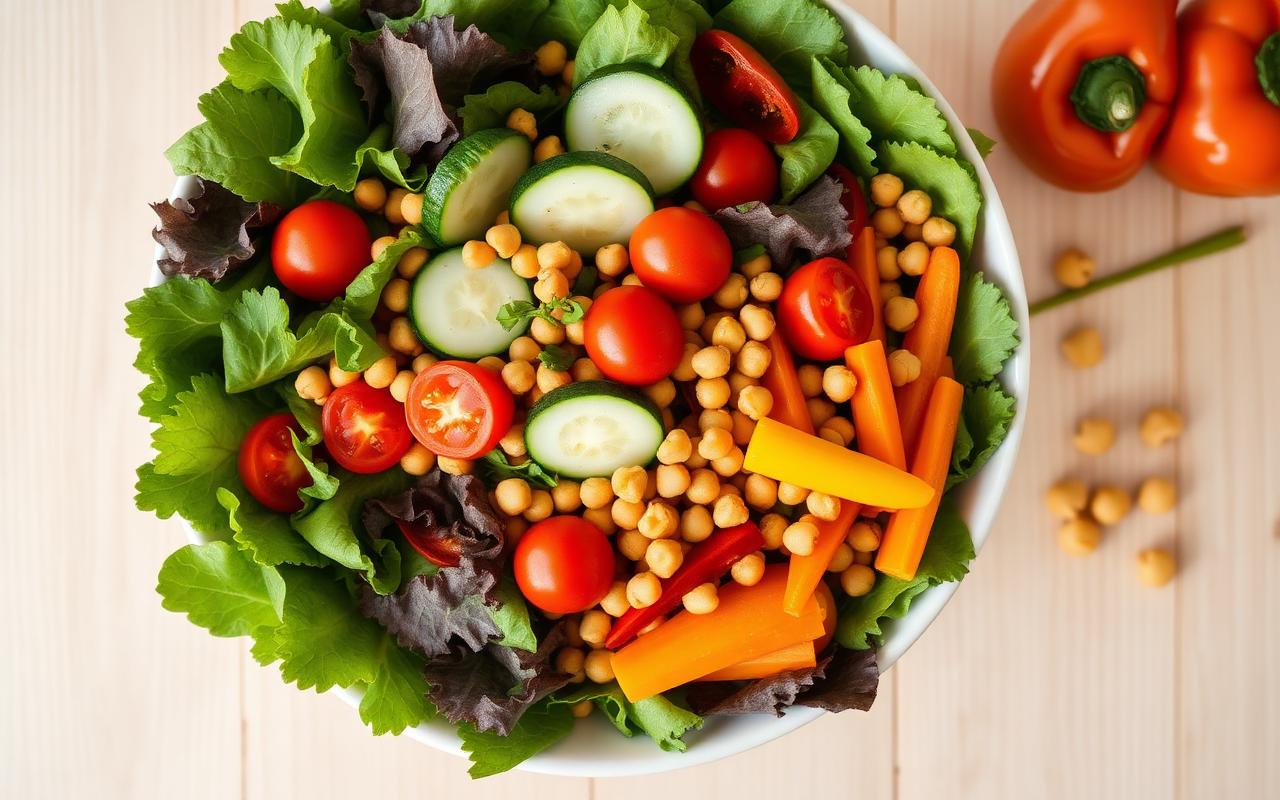
Managing hunger is arguably the greatest hurdle in any weight loss journey. When you reduce your caloric intake to lose body fat, your body naturally signals for more food, often leading to cravings and a feeling of deprivation.
The most effective strategy to counter this is a concept known as volume eating. By focusing on low-calorie, high-volume foods, you can physically fill your stomach and trigger satiety signals without exceeding your daily calorie budget. This approach allows you to eat a larger quantity of food while maintaining a caloric deficit.
Understanding Energy Density
Energy density refers to the number of calories (energy) in a specific weight of food. Foods with high energy density—like oils, nuts, and sugars—pack many calories into a small serving. Conversely, low-energy-density foods provide very few calories even in large portions.
The science of satiety suggests that the human stomach responds to the physical volume of food and the weight of the bolus (the chewed food mass) rather than just the caloric content. Research generally shows that people tend to eat a consistent weight of food each day. By choosing foods that are less "dense," you can feel just as full on significantly fewer calories.
For example, 1 tablespoon of olive oil contains roughly 120 calories but offers zero volume to the stomach. In contrast, 2 pounds (about 4.5 cups) of raw zucchini also contains roughly 120 calories. The differences in physical fullness between these two options are immense.
The Role of Water and Fiber
The two primary factors that lower a food's energy density are water and fiber.
- Water: It adds weight and volume to food without adding any calories. This is why grapes (high water) are more filling than raisins (dehydrated).
- Fiber: Found in plant walls, fiber adds bulk and slows down digestion. Because the human body cannot fully digest most fibers, it passes through the system, providing volume and a prolonged sense of fullness for very little metabolic energy.
Most high-volume foods are composed of 80% to 95% water, which is why vegetables and fruits are the cornerstones of this eating style.
Top High-Volume Vegetables
Vegetables are the gold standard for volume eating. Most non-starchy vegetables contain between 15 and 40 calories per 100 grams.
- Leafy Greens: Spinach, kale, and arugula are almost entirely water and fiber. You can consume 3 cups of raw spinach for under 25 calories.
- Cruciferous Vegetables: Broccoli, cauliflower, and cabbage are highly versatile. A medium head of cauliflower contains about 150 calories, making it an excellent "filler" for rice or mashed potatoes.
- Zucchini: At approximately 17 calories per 100g, zucchini can be spiralized into "zoodles" to replace pasta.
- Cucumbers: With a water content of 95%, cucumbers are one of the lowest-calorie foods in existence, providing only 15 calories per 100g.
High-Volume Fruits
While fruits contain more natural sugars than vegetables, many varieties still offer incredible volume for their caloric cost. Berries and melons are the top performers in this category.
- Strawberries: You can eat 1 pound (454g) of strawberries for approximately 145 calories.
- Watermelon: Despite its sweetness, watermelon is only 30 calories per 100g.
- Cantaloupe: Similar to watermelon, a large wedge provides significant hydration and volume for minimal calories.
Calculating Calories vs. Volume: A Comparison
The following table compares common high-energy-density items with their high-volume, low-density counterparts to illustrate the disparity.
| Small Volume / High Calorie | Calories | High Volume / Low Calorie | Calories |
|---|---|---|---|
| 1/4 cup Walnuts (30g) | 190 | 3.5 cups Strawberries (500g) | 160 |
| 1 slice Cheddar Cheese (28g) | 115 | 1.5 lbs Broccoli (680g) | 230 |
| 2 tbsp Peanut Butter (32g) | 190 | 4 medium Zucchinis (800g) | 135 |
| 1 serving Potato Chips (28g) | 150 | 2 large Cucumbers (600g) | 90 |
| 1/2 cup Cooked Pasta (70g) | 110 | 5 cups Air-popped Popcorn | 155 |
Smart Swaps for Volume Eating
Incorporating low-calorie, high-volume foods doesn't mean eating only salads. It involves strategic "dilution" of your favorite meals.
1. The "Half-Plate" Rule
Fill at least 50% of your plate with non-starchy vegetables before adding your protein or starch. This ensures that even if the rest of the meal is calorie-dense, the overall energy density of the plate remains low.
2. Rice and Grains
Mix "cauliflower rice" with your standard white or brown rice at a 1:1 ratio. This retains the texture of the grain while cutting the calories of that portion by nearly 45%.
3. Savory Snacks
Instead of crackers or chips, reach for air-popped popcorn. Popcorn is a whole grain that is mostly air. You can consume 3 full cups for about 90 calories, whereas the same calories in potato chips would amount to about 8-10 individual chips.
4. Thinning out Sauces
Use pureed vegetables (like carrots, bell peppers, or onions) to bulk up pasta sauces. This adds vitamins and volume without the need for excess oils or heavy creams.
The Importance of Protein and Healthy Fats
While volume is essential for physical fullness (stomach stretching), it is not the only factor in satiety. Pure volume from vegetables may leave you feeling hungry again quickly if you neglect macronutrients.
- Protein: It is the most satiating macronutrient. Combine your high-volume veg with lean proteins like chicken breast (165 calories per 100g), egg whites (52 calories per 100g), or white fish.
- Fats: Small amounts of healthy fats slow gastric emptying, meaning food stays in your stomach longer. A small amount of avocado or olive oil paired with a massive salad provides the perfect balance of immediate volume and long-term satiety.
Tracking and Consistency
When you begin eating for volume, the sheer amount of food can be deceptive. It is easy to overestimate how many calories you are consuming because the portions look so large. Conversely, it is easy to forget the "hidden" calories in the dressings or oils used to cook these vegetables.
Using digital tools can help you maintain accuracy during this transition. Apps like Caloriez can scan a meal photo to log this automatically, allowing you to see exactly how your high-volume choices impact your daily totals.
Practical Tips for Success
- Start with a soup or salad: Research shows that starting a meal with a low-calorie vegetable soup or a side salad can reduce the total calories consumed during the entire meal by up to 20%.
- Choose "crunchy" foods: Foods that require more chewing (like raw carrots or apples) allow more time for your brain to receive "fullness" signals from the gut, which typically takes about 20 minutes.
- Watch the liquid calories: Liquids do not provide the same satiety as solid foods. A 200-calorie orange is far more filling than 200 calories of orange juice because the fruit contains fiber and requires mechanical digestion.
Key Takeaways
- Prioritize Water and Fiber: Focus on foods with high water content (90%+) and high fiber to maximize physical fullness.
- Focus on Density: Swapping high-energy-density foods (oils, sugars) for low-density foods (leafy greens, berries) allows you to eat more while losing weight.
- Use the 50% Rule: Aim to make half of every meal consist of non-starchy vegetables to naturally lower your caloric intake.
- Don't Ignore Protein: Pair high-volume foods with lean protein to ensure that you stay full for hours, not just minutes.
- Leverage Smart Swaps: Use cauliflower rice, zoodles, and air-popped popcorn to satisfy cravings for larger portions without the calorie penalty.
Track your calories the easy way
Caloriez uses AI to log meals from a single photo — calories, protein, carbs, and fat in seconds. Free on the App Store.
Download on the App Store