Weight Loss
High Protein Foods for Weight Loss: Top 25 Picks
High-protein foods keep you full longer and protect lean muscle during a calorie deficit. Here are the top 25.
June 5, 2026 · 8 min read
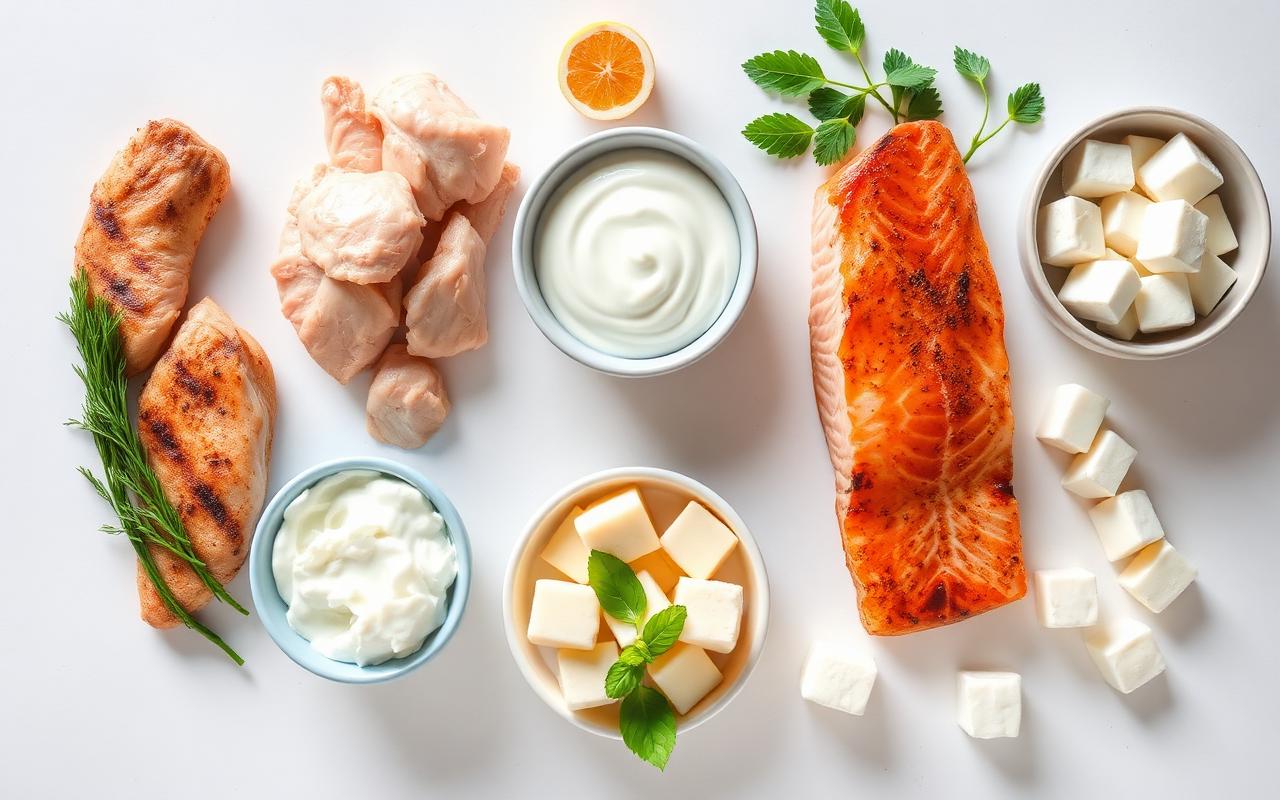
When it comes to sustainable weight loss, protein is the most critical macronutrient in your toolkit. It supports muscle preservation during a calorie deficit, carries the highest thermic effect of food (TEF), and significantly increases satiety compared to fats or carbohydrates.
Understanding which foods offer the highest protein-to-calorie ratio allows you to maximize your nutrient density without overshooting your daily energy targets.
Why Protein Is Essential for Losing Weight
Protein aids weight loss through three primary mechanisms:
- Satiety and Hunger Regulation: Protein reduces levels of the hunger hormone ghrelin while boosting peptide YY, a hormone that makes you feel full.
- Thermic Effect of Food: Your body uses more energy to digest protein than it does for fats or carbs. Roughly 20% to 30% of protein calories are burned during digestion, compared to 5% to 10% for carbohydrates and 0% to 3% for fats.
- Muscle Preservation: When in a calorie deficit, the body may break down muscle tissue for energy. High protein intake, combined with resistance training, helps preserve lean mass, keeping your resting metabolic rate higher.
According to the Dietary Reference Intake (DRI), the sedentary adult should consume 0.8 grams of protein per kilogram of body weight. However, for weight loss and muscle retention, research suggests a range of 1.2 to 1.6 grams per kilogram (roughly 0.54 to 0.73 grams per pound) is more effective.
Lean Animal Proteins
Animal-based proteins are "complete," meaning they contain all nine essential amino acids the body cannot produce on its own.
1. Chicken Breast (Boneless, Skinless)
The gold standard for fitness enthusiasts, chicken breast is almost pure protein. A 4-ounce (113g) serving contains approximately 140 calories and 26 grams of protein.
2. Turkey Breast
Similar to chicken, turkey breast is exceptionally lean. It provides roughly 25 grams of protein per 4-ounce serving with less than 2 grams of fat.
3. Egg Whites
While whole eggs are nutritious, egg whites allow you to increase protein intake without the added calories from the yolk's fat. One large egg white contains 17 calories and 3.6 grams of protein.
4. Lean Ground Beef (93/7 or 96/4)
Red meat provides heme iron and B12. Selecting 96% lean ground beef offers about 22 grams of protein and only 120 calories per 4-ounce serving.
5. Pork Tenderloin
Often overlooked, pork tenderloin is as lean as skinless chicken breast. A 4-ounce serving contains about 22 grams of protein and 120 calories.
Seafood and Shellfish
Seafood is often lower in calories than land-based meats, making it an excellent choice for high-volume eating.
6. White Fish (Cod, Tilapia, Pollock)
White fish is incredibly lean. A 4-ounce fillet of cod contains about 90 calories and 20 grams of protein.
7. Shrimp
Shrimp are nearly 100% protein by calorie count. A 3-ounce serving provides 18 grams of protein and only 84 calories.
8. Canned Tuna (in Water)
Tuna is a convenient, shelf-stable protein. One can (5 oz) typically contains 30 to 32 grams of protein and about 150 calories. Ensure it is packed in water, not oil, to keep calories low.
9. Salmon
While higher in calories due to healthy Omega-3 fatty acids, salmon is vital for heart health. A 4-ounce serving has 23 grams of protein and roughly 200 calories.
10. Scallops
Scallops are a nutrient-dense delicacy. For every 100 calories of scallops, you get approximately 17 to 20 grams of protein.
Dairy and Eggs
Dairy products can be high in protein, but the fat content varies significantly. For weight loss, low-fat or non-fat versions generally provide better protein-to-calorie ratios.
11. Greek Yogurt (Non-fat, Plain)
Non-fat Greek yogurt is a weight-loss staple. A single 6-ounce container provides roughly 15 to 18 grams of protein and 100 calories.
12. Cottage Cheese (Low-fat)
Cottage cheese contains casein protein, which digests slowly and keeps you full for longer. A half-cup of 1% cottage cheese has 14 grams of protein and 80 calories.
13. Whole Eggs
A whole large egg contains 6 grams of protein and 70 calories. While higher in fat than whites, the yolk contains vitamin D and choline.
14. Whey Protein Isolate
While technically a supplement, whey isolate is a processed dairy product that is highly bioavailable. One scoop typically provides 25 grams of protein and 110-120 calories.
15. Skyr
Skyr is a traditional Icelandic cultured dairy product. It is even thicker than Greek yogurt and often slightly higher in protein, averaging 17 grams per 5-ounce serving.
Plant-Based Protein Sources
Plant proteins often come packaged with dietary fiber, which further aids in weight loss by slowing digestion and improving gut health.
16. Tempeh
Made from fermented soybeans, tempeh is denser than tofu. One cup provides 31 grams of protein and significant fiber.
17. Tofu (Extra Firm)
Tofu is a versatile complete protein. A half-cup of firm tofu contains about 10 grams of protein and 90 calories.
18. Edamame
These young soybeans are an excellent snack. One cup of prepared edamame offers 18 grams of protein and 8 grams of fiber.
19. Lentils
Lentils are a powerhouse for vegetarians. One cooked cup provides 18 grams of protein and 15 grams of fiber for about 230 calories.
20. Seitan
Known as "wheat meat," seitan is made from gluten. It is one of the highest plant-based sources, with 3 ounces providing about 20 grams of protein.
21. Black Beans
While higher in carbohydrates, black beans provide 15 grams of protein per cooked cup and help stabilize blood sugar through high fiber content.
22. Quinoa
Quinoa is a rare plant source that is a complete protein. One cooked cup contains 8 grams of protein and 5 grams of fiber.
High Protein Snacks and Legumes
23. Pumpkin Seeds
Among seeds, pumpkin seeds (pepitas) are top-tier for protein. One ounce contains 9 grams of protein, though they are calorie-dense due to healthy fats.
24. Chickpeas
Also known as garbanzo beans, one cup of cooked chickpeas provides 14.5 grams of protein. They are excellent in salads or roasted as a crunchy snack.
25. Nutritional Yeast
Often used as a cheese substitute, two tablespoons of nutritional yeast provide 8 grams of protein and only 40 calories, making it an excellent "protein topper" for meals.
Protein Comparison Table
The following table compares approximately 100-calorie portions of popular high-protein foods to show their relative efficiency for a weight loss diet.
| Food Item | Typical Serving | Calories | Protein (g) | Protein % of Calories |
|---|---|---|---|---|
| Egg Whites | 6 large | 102 | 21.6 | 85% |
| Chicken Breast | 3 oz | 128 | 26.0 | 81% |
| Shrimp | 4 oz | 112 | 24.0 | 86% |
| Non-fat Greek Yogurt | 6 oz | 100 | 17.0 | 68% |
| Tofu (Firm) | 1/2 cup | 90 | 10.0 | 44% |
| Lentils (Cooked) | 1/2 cup | 115 | 9.0 | 31% |
| Lean Beef (96/4) | 3 oz | 125 | 22.0 | 70% |
How to Track Your Protein Intake
To reach a target of 1.2 grams of protein per kilogram, you must plan your meals around the protein source first. Adding a 25gndose of protein to each of your three or four daily meals typically ensures you hit your target without struggle.
Using a tracking tool can help you visualize where your calories are coming from and distinguish between "high protein" foods and foods that are simply "marketed" as healthy. Apps like Caloriez can scan a meal photo to log this automatically, helping you stay consistent with your macro targets.
Key Takeaways
- Prioritize Lean Sources: Foods like chicken breast, egg whites, and white fish offer the most protein for the fewest calories.
- The 30% Rule: Aim for protein to make up roughly 25-30% of your total daily calories to maximize satiety and the thermic effect of food.
- Include Fiber: When using plant-based proteins like lentils or beans, you benefit from "double satiation" via protein and fiber combined.
- Consistency over Perfection: Meeting your protein goal consistently is more important for muscle retention than the specific timing of the protein intake.
- Watch the Extras: Avoid high-calorie sauces or oils when preparing lean proteins, as these can easily double the calorie count of a healthy meal.
Track your calories the easy way
Caloriez uses AI to log meals from a single photo — calories, protein, carbs, and fat in seconds. Free on the App Store.
Download on the App Store