Weight Loss
Foods High in Protein, Low in Calories: Top 20
Some foods deliver 15g+ of protein for under 100 calories. Here are the 20 best, ranked by efficiency.
June 17, 2026 · 7 min read
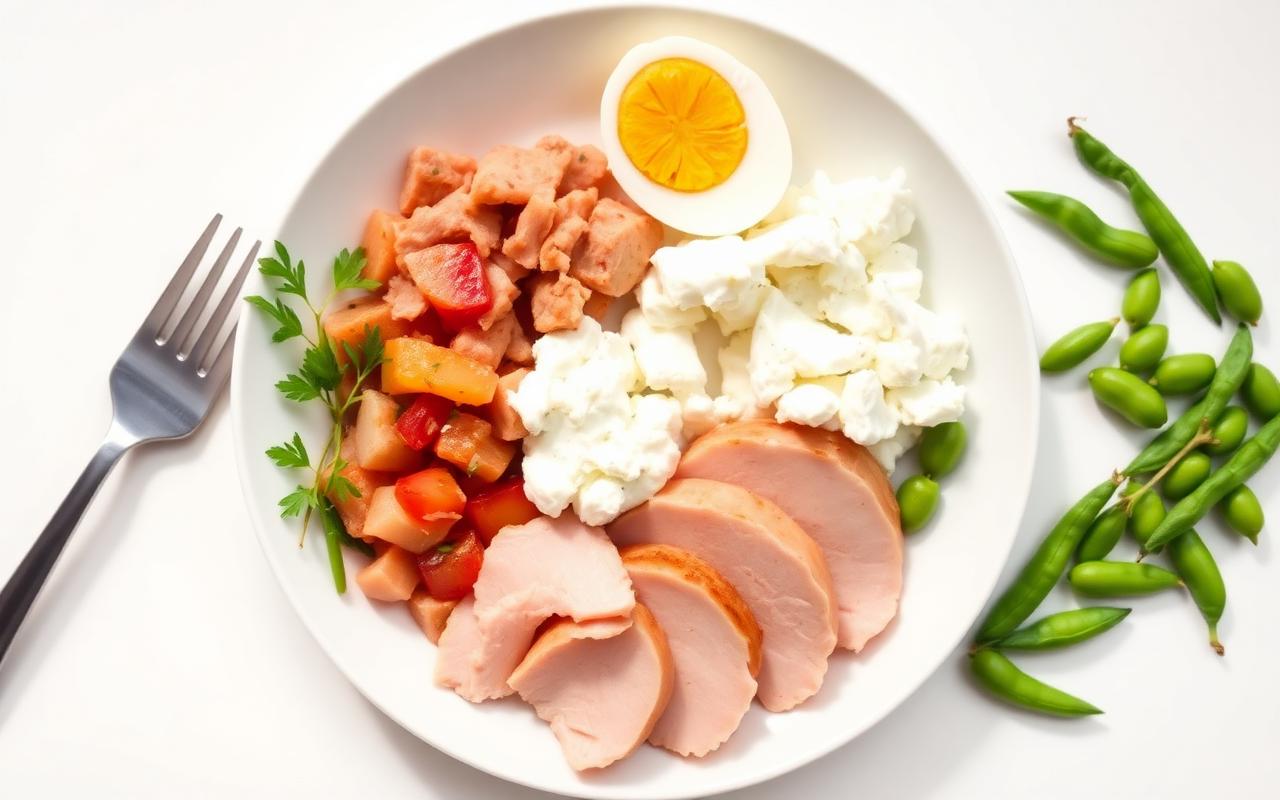
Finding foods that offer high protein content without a large caloric footprint is the cornerstone of sustainable weight loss and muscle maintenance. This balance, often referred to as "nutrient density," allows you to stay full longer while maintaining a necessary calorie deficit.
Understanding the Protein-to-Calorie Ratio
When selecting foods for weight loss, the most important metric is the percentage of calories derived from protein. A food is generally considered "high protein" if protein accounts for more than 25% to 30% of its total caloric value.
Protein contains 4 calories per gram, whereas fat contains 9 calories per gram. Therefore, leaner cuts of meat and plant-based proteins that are low in oil will naturally yield a better ratio. For example, if a 100-calorie serving of food has 20 grams of protein, it means 80 of those calories (80%) come from protein. This is an elite profile for weight management.
The Top 20 High-Protein, Low-Calorie Foods
The following foods are selected based on their accessibility, nutrient density, and calorie-to-protein efficiency.
Lean Animal Proteins
- Egg Whites: Practically pure protein. One large egg white contains about 17 calories and 4 grams of protein.
- Chicken Breast (Skinsless): A staple for a reason. 3.5 ounces (100g) provides approximately 165 calories and 31 grams of protein.
- Turkey Breast: Similar to chicken but often leaner. 100g contains about 135 calories and 30 grams of protein.
- Pork Tenderloin: The leanest cut of pork. A 3-ounce serving offers 120 calories and 22 grams of protein.
- Lean Ground Beef (95/5): Provides the benefits of iron and B12 with only 164 calories and 22 grams of protein per 4-ounce serving.
Seafood and Shellfish
- Shrimp: Extremely low in calories. 100g of steamed shrimp has only 99 calories and 24 grams of protein.
- Cod: A mild white fish. A 100g serving contains 82 calories and 18 grams of protein.
- Tuna (Canned in Water): A convenient pantry staple. A 5-ounce can provides roughly 120 calories and 26-28 grams of protein.
- Tilapia: Another lean white fish offering 128 calories and 26 grams of protein per 100g.
- Scallops: These are almost entirely protein and water, with about 94 calories and 17 grams of protein per 100g.
Dairy and Cultured Foods
- Greek Yogurt (Non-fat): A 6-ounce container typically holds 100 calories and 17 grams of protein.
- Cottage Cheese (1% or Fat-free): One cup of 1% cottage cheese has 163 calories and 28 grams of protein.
- Skyr: An Icelandic cultured dairy product similar to Greek yogurt but often higher in protein, averaging 100-110 calories and 18-20 grams of protein per serving.
Plant-Based Proteins
- Seitan: Made from wheat gluten, it is unusually high in protein for a plant source. 3 ounces provides 140 calories and 25 grams of protein.
- Tofu (Extra Firm): 100g provides about 80-90 calories and 10 grams of protein.
- Tempeh: A fermented soy product. While higher in calories than tofu, it offers 190 calories and 20 grams of protein per 100g.
- Edamame: These young soybeans provide 121 calories and 11 grams of protein per half-cup.
- Lentils: While higher in carbs, they are calorie-efficient. One cup cooked has 230 calories and 18 grams of protein.
- Nutritional Yeast: A savory seasoning. Just 2 tablespoons contain 40 calories and 8 grams of protein.
- Spirulina: A dried seaweed powder. Two tablespoons provide 40 calories and 8 grams of protein.
Nutritional Comparison Table
The following table compares these foods based on a standard 100g (3.5 oz) measurement to show the protein density clearly.
| Food Item | Calories (per 100g) | Protein (per 100g) | Protein % of Calories |
|---|---|---|---|
| Egg Whites | 52 | 11g | 85% |
| Shrimp | 99 | 24g | 97% |
| Chicken Breast | 165 | 31g | 75% |
| Cod | 82 | 18g | 88% |
| Greek Yogurt (0%) | 59 | 10g | 68% |
| Seitan | 164 | 25g | 61% |
| Cottage Cheese (1%) | 72 | 12g | 67% |
| Turkey Breast | 135 | 30g | 89% |
Why Protein Density Matters for Weight Loss
Protein is the most "thermogenic" macronutrient. This refers to the Thermic Effect of Food (TEF). Your body uses more energy to digest and process protein than it does for fats or carbohydrates. Approximately 20-30% of the calories consumed from protein are burned during the digestion process itself.
Furthermore, protein triggers the release of satiety hormones like cholecystokinin (CCK) and peptide YY (PYY), which signal to your brain that you are full. By choosing foods with high protein and low calories, you can eat a larger physical volume of food—satiating your hunger stretch receptors—without exceeding your daily energy limits.
How to Calculate Your Protein Needs
A standard evidence-based guideline for active individuals or those trying to lose weight is 0.7 to 1.0 grams of protein per pound of body weight.
For a 180-pound adult, this equates to roughly 126 to 180 grams of protein per day. If you are eating a 2,000-calorie diet, hitting 150 grams of protein means that 600 calories (30%) are coming from protein. Achieving this target is significantly easier when your diet is built around the foods listed above rather than high-fat protein sources like ribeye steak or full-fat cheese.
Strategies for Integrating High Protein Foods
To maximize the benefits of a high-protein, low-calorie diet, consider these preparation strategies:
- Avoid Oil-Based Cooking: Frying in butter or oil can quickly double the calorie count of lean proteins like shrimp or chicken. Use air frying, steaming, or baking with minimal spray.
- Use Spices for Flavor: Lean foods like egg whites and tilapia are often criticized for being bland. Utilize garlic, paprika, cumin, and lemon juice to add flavor without adding calories.
- The "Protein First" Rule: At every meal, consume the protein portion first. This ensures you hit your macro goals before you become too full from side dishes.
- Hidden Protein Boosters: Replace sour cream with non-fat Greek yogurt, or use egg whites to "bulk up" regular eggs to increase volume without significantly increasing calories.
Tracking your intake is essential to ensure you aren't underestimating the "hidden" calories in dressings or marinades. Apps like Caloriez can scan a meal photo to log this automatically, making it easier to see if you are hitting your protein targets for the day.
Potential Pitfalls to Watch For
While focusing on protein is beneficial, it is possible to over-index on a single nutrient.
- Micronutrient Diversity: Lean meats provide B vitamins and iron, but you still need leafy greens and fiber-rich vegetables for digestive health.
- Processed Protein Sources: Be cautious of "protein bars" or "protein shakes." While high in protein, many are also high in sugar alcohols or fats, making them less calorie-efficient than whole foods like tuna or turkey.
- Sodium Content: Canned products like tuna or cottage cheese can be high in sodium. Look for "no salt added" versions if you are monitoring blood pressure or water retention.
Key Takeaways
- Prioritize the ratio: Look for foods where protein counts for at least 30% of total calories to maximize weight loss efficiency.
- Egg whites and shrimp are among the most calorie-efficient protein sources available, consisting of over 85% protein.
- High protein increases satiety and has a higher thermic effect, meaning you burn more calories just by digesting it.
- Aim for 0.7 to 1.0 grams of protein per pound of body weight to support muscle preservation while in a calorie deficit.
- Consistency in tracking is the only way to ensure you are meeting these specific macro ratios daily.
Track your calories the easy way
Caloriez uses AI to log meals from a single photo — calories, protein, carbs, and fat in seconds. Free on the App Store.
Download on the App Store