Weight Loss
Foods Low in Calories: 30 Options Under 100 kcal
30 foods you can eat liberally without breaking your calorie budget. Each serving is under 100 kcal.
June 18, 2026 · 7 min read
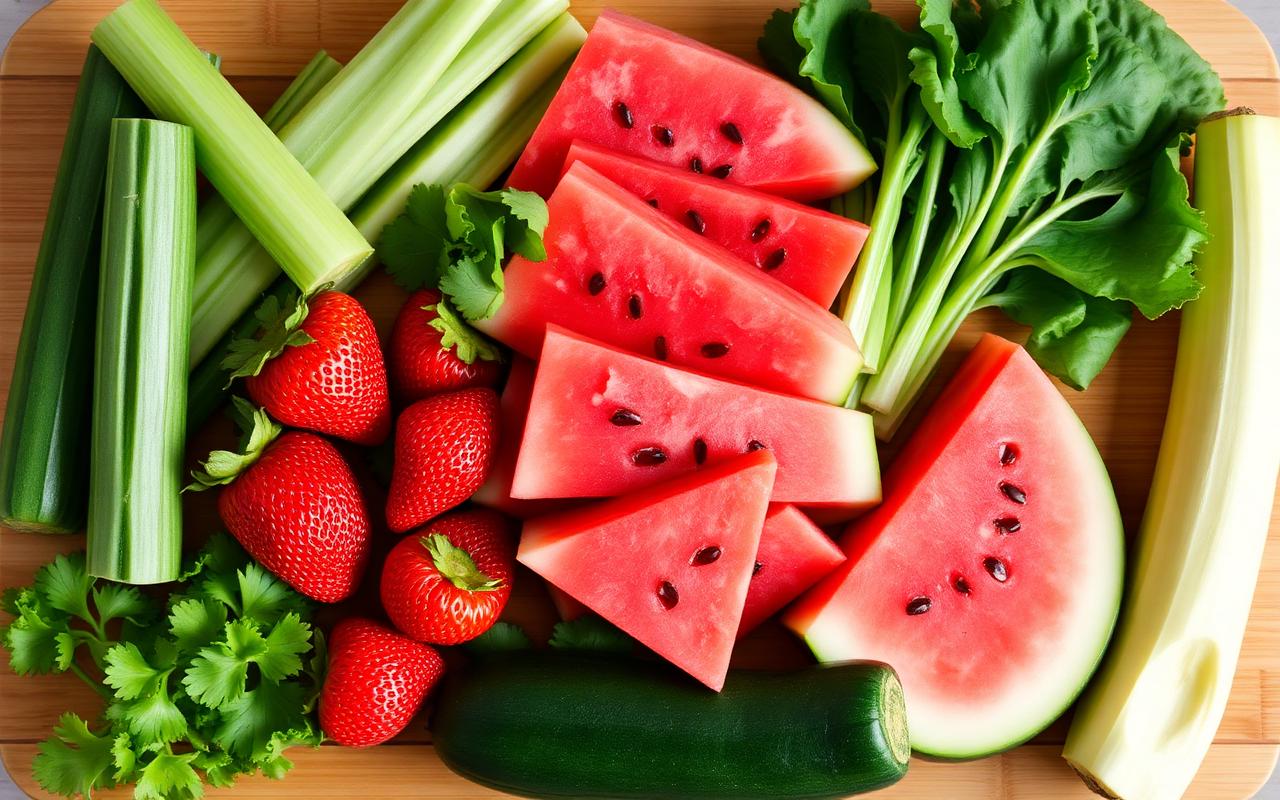
Selecting foods with a low calorie density is one of the most effective strategies for sustainable weight loss and appetite control. By choosing items that provide significant volume for a small caloric cost, you can satisfy physical hunger without exceeding your daily energy targets.
The Science of Calorie Density
Calorie density refers to the number of calories in a specific weight of food, usually expressed as calories per gram (kcal/g). Foods with high water and fiber content, such as vegetables and fruits, typically have a low calorie density. For example, while 100 grams of butter contains over 700 calories, 100 grams of raw spinach contains only 23 calories.
By focusing on foods under 100 calories per serving, you can increase your portion sizes while maintaining a caloric deficit. This approach, often called "volumetrics," helps regulate ghrelin (the hunger hormone) by physically stretching the stomach lining, which signals fullness to the brain.
Non-Starchy Vegetables: The Volume Kings
Most non-starchy vegetables consist of 90% to 95% water. They are the highest-volume foods you can eat for the lowest caloric investment.
- Cucumbers: A half-cup of sliced cucumbers has only 8 calories.
- Celery: Two large stalks provide roughly 13 calories and a significant crunch.
- Spinach: Two cups of raw leafy greens contain about 14 calories.
- Zucchini: One medium zucchini has roughly 33 calories.
- Radishes: One cup of sliced radishes contains 19 calories.
- Asparagus: Five medium spears total approximately 20 calories.
- Bell Peppers: One medium green bell pepper contains 24 calories.
- Broccoli: One cup of chopped, raw broccoli has 31 calories.
- Cauliflower: One cup of cauliflower florets contains 27 calories.
- Mushrooms: One cup of whole white mushrooms has about 21 calories.
Low-Calorie Fruits for Sweet Cravings
While fruits contain natural sugars (fructose), their fiber content slows digestion and prevents sharp insulin spikes. Most berries and melons are particularly low in calories by weight.
- Strawberries: One cup of whole strawberries contains 46 calories.
- Watermelon: One cup of diced watermelon provides 46 calories.
- Cantaloupe: One cup of cubed cantaloupe is approximately 54 calories.
- Blackberries: One cup of raw blackberries contains 62 calories.
- Raspberries: One cup of raspberries has 64 calories.
- Grapefruit: Half of a medium grapefruit contains 52 calories.
- Peach: One medium peach contains roughly 59 calories.
- Plum: One medium-sized plum has about 30 calories.
- Apples: A small apple (about 150g) contains roughly 77 calories.
- Blueberries: A half-cup of blueberries provides 42 calories.
Lean Proteins and Dairy Under 100 Calories
Protein is the most thermogenic macronutrient, meaning the body uses more energy to digest it compared to fats or carbohydrates. Keeping protein portions controlled allows for snack-sized servings that aid muscle retention.
- Egg Whites: Two large egg whites contain only 34 calories but 7 grams of protein.
- Hard-Boiled Egg: One large whole egg contains approximately 78 calories.
- Shrimp: Five large steamed shrimp provide roughly 30 calories.
- Greek Yogurt (Non-fat): A 100-gram serving (about 3.5 oz) contains roughly 59 calories.
- Cottage Cheese (1% Fat): A half-cup serving contains 81 calories.
- Turkey Breast: Two thin slices of deli turkey breast (about 2 oz) contain approximately 60 calories.
Low-Calorie Pantry Staples and Snacks
When you need something shelf-stable or quick to prepare, these options provide texture and variety without a high caloric price tag.
- Air-Popped Popcorn: Two cups of air-popped popcorn (without butter) contain 62 calories.
- Rice Cakes: One plain brown rice cake contains approximately 35 calories.
- Pickles: One large dill pickle contains about 15 calories (though be mindful of sodium).
- Rice Paper: One sheet of rice paper (used for spring rolls) contains about 35 calories.
Nutritional Comparison Table
The following table compares common low-calorie foods based on standard USDA portions to help you visualize volume vs. caloric density.
| Food Item | Serving Size | Calories (approx.) | Fiber/Protein Benefit |
|---|---|---|---|
| Cucumbers | 1 Cup | 16 kcal | High Water Content |
| Strawberries | 1 Cup | 46 kcal | 3g Fiber |
| Egg Whites | 2 Large | 34 kcal | 7g Protein |
| Air-Popped Popcorn | 2 Cups | 62 kcal | 2.4g Fiber |
| Zucchini | 1 Medium | 33 kcal | High Volume |
| Greek Yogurt (Plain) | 1/2 Cup | 65 kcal | 11g Protein |
| Watermelon | 1 Cup | 46 kcal | Hydration |
| Shrimp (Boiled) | 3 oz | 84 kcal | 18g Protein |
Tips for Managing Calorie Intake
Tracking your intake is not just about the numbers; it is about understanding the composition of your meals. Many people underestimate caloric density by ignoring "hidden" calories in cooking oils, dressings, and sauces.
- Avoid Liquid Calories: A 12-oz soda can have 150 calories with zero satiety. Replacing it with water or black coffee can save thousands of calories per month.
- The 50% Rule: Fill at least 50% of your plate with non-starchy vegetables from the list above. This ensures you feel full while keeping the total meal under a specific caloric ceiling.
- Use Visual Logs: Keeping track of what you eat helps identify patterns. Tools like the Caloriez app can scan a meal photo to log these items automatically, taking the guesswork out of portion sizes.
- Check Labels for Serving Sizes: Manufacturers often list calories for small portions. Always multiply the calories by the number of servings you actually consume.
Key takeaways
- Volume is key: Focus on foods with high water and fiber content to stay full while eating fewer than 100 calories per snack.
- Prioritize protein: Items like egg whites and shrimp offer high satiety for very low caloric cost compared to fats.
- Watch the peripherals: Low-calorie vegetables can quickly become high-calorie meals if cooked in excessive butter or oil.
- Consistency over perfection: Use low-calorie swaps consistently rather than resorting to extreme restriction.
Track your calories the easy way
Caloriez uses AI to log meals from a single photo — calories, protein, carbs, and fat in seconds. Free on the App Store.
Download on the App Store