Nutrition Basics
How Much Protein Per Day? Calculator and Guide
Protein needs depend on your weight, goal, and activity. Here is the formula plus a simple calculator.
June 16, 2026 · 7 min read
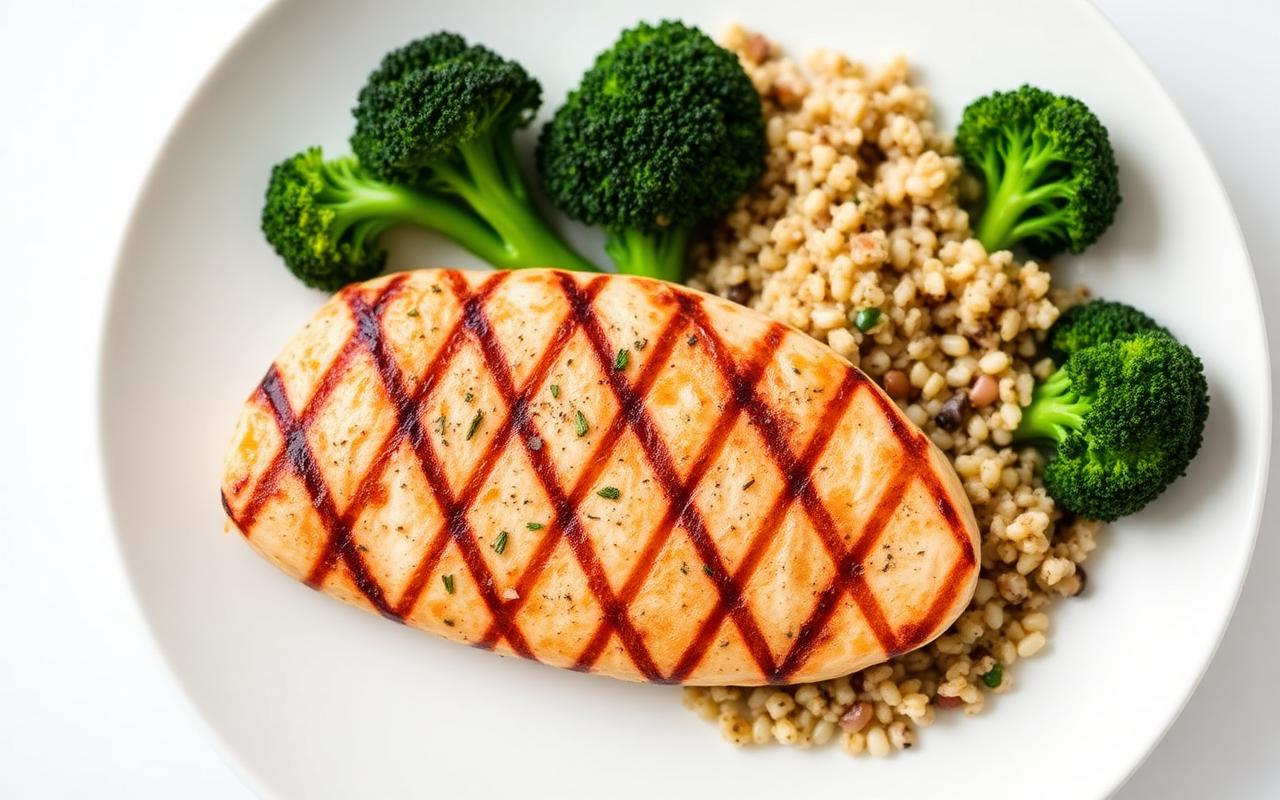
Determining your daily protein requirement is one of the most effective steps you can take toward reaching your weight loss or muscle-building goals. Because protein is the most satiating macronutrient and the primary building block for lean tissue, getting the number right can simplify your entire nutrition strategy.
Why Protein Matters for Weight Management
Protein provides four calories per gram, the same as carbohydrates, but it processes differently within the body. It has a higher thermic effect of food (TEF), meaning your body burns more energy digesting protein than it does fats or carbs.
Beyond metabolic benefits, protein is essential for:
- Muscle Retention: When in a calorie deficit, the body may break down muscle for energy. High protein intake signals the body to preserve muscle and burn fat instead.
- Appetite Control: Protein suppresses ghrelin (the hunger hormone) and stimulates peptide YY, which helps you feel full longer.
- Blood Sugar Stability: Including protein in a meal slows the absorption of glucose, preventing the energy crashes that lead to sugar cravings.
Basic Requirements vs. Optimal Intake
The U.S. National Academies of Sciences, Engineering, and Medicine establishes the Recommended Dietary Allowance (RDA) for protein. However, it is important to distinguish between the "minimum to prevent deficiency" and "optimal for body composition."
The RDA for the average sedentary adult is 0.8 grams of protein per kilogram of body weight (or roughly 0.36 grams per pound). For a 180-pound person, this is only 65 grams per day. While this prevents illness, most nutritionists and peer-reviewed studies suggest this is insufficient for active individuals or those trying to lose weight.
Recommended Ranges by Goal
| Activity Level | Grams per Pound (lb) | Grams per Kilogram (kg) |
|---|---|---|
| Sedentary (Minimum) | 0.36g | 0.8g |
| Moderate Activity | 0.5 - 0.7g | 1.1 - 1.5g |
| Weight Loss (Preserve Muscle) | 0.8 - 1.0g | 1.8 - 2.2g |
| Active Athlete / Bodybuilding | 1.0 - 1.2g | 2.2 - 2.6g |
How to Calculate Your Personal Protein Goal
To find your specific target, you should use your goal weight or your current lean body mass if you have a high body fat percentage. Using your total weight if you are significantly overweight may result in a protein goal that is unnecessarily high and difficult to hit.
The Formula:
- Identify your activity level from the table above.
- Multiply your target body weight by the corresponding gram amount.
- Example: A woman targeting 150 pounds who exercises three times a week should aim for roughly 0.8g per pound.
- 150 lbs x 0.8 = 120 grams of protein per day.
To convert this into calories, multiply the grams by 4. In this example, 120g of protein equals 480 calories.
Protein as a Percentage of Total Calories
Another common way to track protein is as a percentage of your total daily caloric intake. The Acceptable Macronutrient Distribution Range (AMDR) suggests that protein should make up 10% to 35% of your total calories.
If you are eating 2,000 calories per day:
- 10% (Low): 200 calories / 50 grams
- 20% (Moderate): 400 calories / 100 grams
- 30% (High): 600 calories / 150 grams
For weight loss, aiming for the 25-30% range is often the "sweet spot" for maintaining fullness while staying within a calorie budget.
High-Protein Food Sources and Values
Hitting a goal of 100+ grams of protein per day requires planning. Lean animal proteins are the most "protein-dense" (meaning they have the most protein per calorie), while plant-based sources often come with additional carbohydrates or fats.
Protein Density Comparison
| Food Item | Serving Size | Protein (g) | Calories |
|---|---|---|---|
| Chicken Breast (Cooked) | 4 oz | 31g | 165 |
| Greek Yogurt (Non-fat) | 1 cup | 18-22g | 100-120 |
| Canned Tuna (in water) | 1 can | 32g | 150 |
| Lentils (Cooked) | 1 cup | 18g | 230 |
| Large Egg | 1 egg | 6g | 70 |
| Firm Tofu | 3.5 oz | 10g | 95 |
| Whey Protein Powder | 1 scoop | 25g | 120 |
Timing and Distribution
While the total daily amount is the most important factor, research suggests that the body can only process a certain amount of protein for muscle protein synthesis at one time. Ideally, you should distribute your protein intake across 3 to 5 meals throughout the day.
Aim for 20 to 40 grams of protein per meal. This ensures a steady supply of amino acids to your muscles and keeps hunger levels stable from morning until night. For many, this looks like a high-protein breakfast (eggs or Greek yogurt), a lean protein at lunch (turkey or tuna), and a substantial portion of meat or soy at dinner.
Troubleshooting Common Issues
"I'm always too full to eat more protein"
If you find it difficult to hit your numbers, prioritize protein at the start of the meal. You can also utilize liquid nutrition, such as whey or collagen shakes, which are less satiating than whole foods but provide the necessary amino acids.
"I'm worried about my kidneys"
For healthy individuals, high protein intake (up to 1.2g per pound) has not been shown to damage kidney function in clinical studies. However, if you have pre-existing kidney disease, you must consult a doctor, as your body may require a protein-restricted diet.
"Is plant protein lower quality?"
Plant proteins often lack one or more essential amino acids (incomplete proteins). However, as long as you eat a variety of sources throughout the day—such as beans, rice, nuts, and soy—your body will collect all the "building blocks" it needs.
Tracking Your Intake
The most accurate way to ensure you are meeting your protein goals is to log your meals for a period of two to four weeks. This builds an internal "database" so you can eventually estimate your intake without a scale. Modern tools have made this process much faster; apps like Caloriez can scan a meal photo to log this automatically, removing the friction of searching through databases for every ingredient.
Key takeaways
- Aim for 0.7 to 1.0 grams of protein per pound of goal body weight for the best results in weight loss and muscle maintenance.
- Distribute protein intake evenly across meals, aiming for 20-40 grams per sitting to maximize muscle protein synthesis and satiety.
- Prioritize protein density by choosing foods like lean meats, egg whites, and Greek yogurt to keep calories low while hitting macro targets.
- Individual needs vary based on activity level; sedentary people need less, while heavy lifters and those in steep calorie deficits need more.
Track your calories the easy way
Caloriez uses AI to log meals from a single photo — calories, protein, carbs, and fat in seconds. Free on the App Store.
Download on the App Store