Food Calories
How Many Calories in a Banana? Sizes, Types & Nutrition
A medium banana has about 105 calories — but the size you pick can change that number by 40%. Here is the full breakdown.
June 2, 2026 · 6 min read
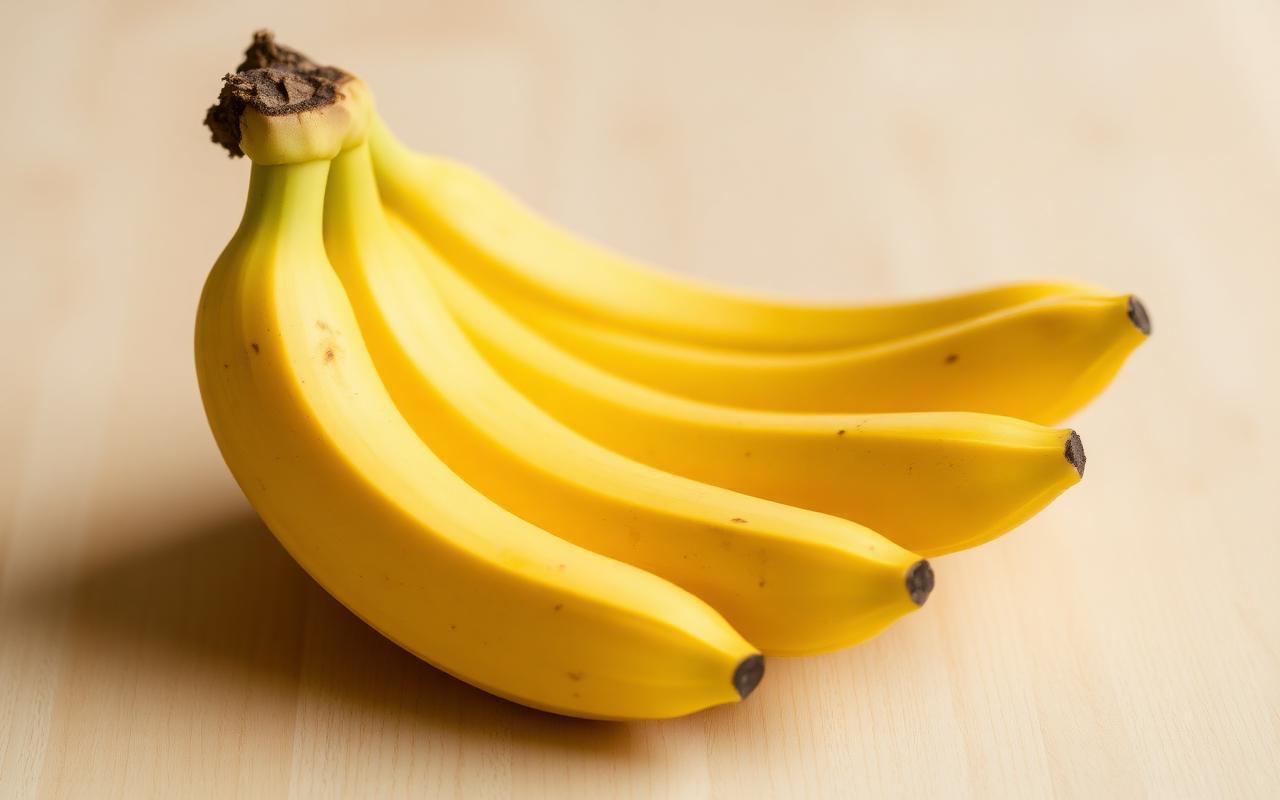
The banana is one of the most widely consumed fruits globally, prized for its natural sweetness and portable design. For those tracking macronutrients or managing weight, understanding the caloric density of this fruit is essential because its size and ripeness can significantly alter the impact on a daily calorie budget.
While many people view a banana as a fixed "100-calorie snack," the weight of the fruit varies significantly from small decorative varieties to large grocery store staples. To track accurately, you must look beyond the generic label and consider the weight and composition of the fruit.
Calorie Breakdown by Size
The USDA Agricultural Research Service provides standardized data for common banana sizes. Because we generally discard the peel, these measurements refer only to the edible portion of the fruit.
| Size | Weight (Grams) | Calories |
|---|---|---|
| Extra Small (under 6") | 81g | 72 kcal |
| Small (6–7") | 101g | 90 kcal |
| Medium (7–8") | 118g | 105 kcal |
| Large (8–9") | 136g | 121 kcal |
| Extra Large (9"+) | 152g | 135 kcal |
| Sliced (1 cup) | 150g | 134 kcal |
| Mashed (1 cup) | 225g | 200 kcal |
As shown in the table, a large banana contains nearly double the energy of an extra-small one. For precise tracking, using a digital food scale to measure the fruit in grams is the most reliable method, as "medium" is often a subjective label.
Macronutrient Composition
Bananas are primarily a source of carbohydrates. They contain very little fat and negligible amounts of protein, making them an ideal quick-energy source for athletes or a dense carbohydrate addition to a meal.
A standard medium banana (118g) typically contains:
- Protein: 1.3 grams
- Fat: 0.4 grams
- Carbohydrates: 27 grams
- Fiber: 3.1 grams
- Sugars: 14.4 grams
The caloric value of a banana is almost entirely derived from its carbohydrate content (approximately 93%). However, the type of carbohydrate changes as the fruit matures, which can influence how your body processes the energy.
The Role of Ripeness and Resistant Starch
The glycemic impact and caloric availability of a banana depend heavily on its stage of ripeness. When bananas are green (unripe), they contain high levels of resistant starch. This type of carbohydrate functions similarly to fiber; it resists digestion in the small intestine and ferments in the large intestine.
- Green Bananas: These have the highest concentration of resistant starch. They result in a slower rise in blood glucose and may promote satiety.
- Yellow Bananas: As the fruit ripens, enzymes convert the starches into simple sugars like sucrose, glucose, and fructose. This makes the fruit taste sweeter and easier to digest.
- Brown/Spotty Bananas: These contain the highest sugar content and the lowest starch content. While the total calorie count remains relatively stable, these are metabolized much faster, making them excellent for a pre-workout energy boost but less ideal for long-term satiety.
Micronutrients and Health Benefits
Beyond calories, bananas are a nutrient-dense food providing several essential vitamins and minerals. One medium banana provides a significant portion of the Daily Value (DV) for several nutrients:
- Potassium: 422mg (9% DV). Potassium is critical for heart health and maintaining healthy blood pressure levels.
- Vitamin B6: 0.4mg (33% DV). This vitamin is essential for brain development and immune system function.
- Vitamin C: 10mg (11% DV). An antioxidant that supports skin health and immune response.
- Magnesium: 32mg (8% DV). Important for muscle function and energy production.
The presence of fiber, particularly pectin and resistant starch, also supports digestive health by feeding beneficial gut bacteria (probiotics).
Bananas for Weight Loss vs. Weight Gain
Because of their moderate calorie density and high fiber content, bananas can fit into both weight loss and weight gain protocols.
For Weight Loss
Bananas can be a satisfying alternative to processed snacks. A 100-calorie banana is more filling than a 100-calorie bag of pretzels due to its fiber and water content. However, to manage insulin response, many nutritionists recommend pairing a banana with a protein or healthy fat source, such as Greek yogurt or a tablespoon of almond butter. This slows the absorption of the fruit's natural sugars.
For Weight Gain and Bulking
Bananas are a favorite for those looking to increase their caloric intake without feeling overly full. They are easy to blend into smoothies or mash into oatmeal. Because they are soft and palatable, it is easy to consume two or three medium bananas throughout the day, adding an effortless 210–315 calories to a daily total.
Comparing Banana Types and Preparations
While the yellow Cavendish banana is the most common variety in Western grocery stores, other types and preparations vary in их caloric density.
- Plantains: Often mistaken for bananas, plantains are larger and starchier. One cup of cooked plantains contains roughly 232 calories, nearly double that of a standard banana.
- Baby Bananas: These small, sweet varieties are often about half the size of a standard banana, averaging 50-60 calories each.
- Dried Banana Chips: These are typically fried in oil and sweetened. A 1-ounce serving (28g) can contain 147 calories and 9 grams of fat.
- Dehydrated/Dried Bananas: Without the water content, the sugars are concentrated. A single dried banana can contain roughly the same calories as a fresh one but in a much smaller, less satiating volume.
Tracking Bananas Accurately
The most common error in food tracking is estimating size incorrectly. Many people log a "medium banana" when the fruit they are eating is actually "extra large," leading to an undercount of 30 or more calories. Over a week, these small discrepancies can stall progress.
The most accurate way to log is to weigh the banana after removing the peel. Multiply the weight in grams by 0.89 (since there are roughly 0.89 calories per gram of banana) to get the exact calorie count. Modern food tracking tools have made this process simpler. For example, apps like Caloriez can scan a meal photo to log this automatically, identifying the size and type of fruit through visual recognition.
Key Takeaways
- A standard medium banana contains approximately 105 calories and 27 grams of carbohydrates.
- Calories scale with weight; an extra-large banana can reach 135 calories or more.
- Green bananas are higher in resistant starch, which can improve gut health and blood sugar management.
- Bananas provide essential Potassium and Vitamin B6, making them more than just "empty" sugar.
- For the highest accuracy in tracking, weigh the edible portion of the fruit in grams.
Track your calories the easy way
Caloriez uses AI to log meals from a single photo — calories, protein, carbs, and fat in seconds. Free on the App Store.
Download on the App Store